Artificial Intelligence (AI) has transformed the way we create and consume digital content. While AI brings efficiency and innovation, it also carries serious risks when misused. One of the most alarming developments in this space is deepfake technology AI-generated audio, images, or videos that realistically imitate real people.
Deepfakes have moved beyond harmless entertainment and are now being used for fraud, political misinformation, identity theft, sexual exploitation, and character assassination. The absence of a dedicated deepfake law in India raises critical questions about legal accountability, victim protection, and regulatory preparedness.
This article explores what deepfakes are, how they threaten society, the existing Indian legal framework that applies to deepfakes, notable global approaches, and the future of deepfake regulation in India.
What Are Deepfakes?
Deepfakes are synthetic media created using deep learning algorithms, particularly Generative Adversarial Networks (GANs). These technologies enable computers to learn facial expressions, voice patterns, and body movements, producing fake but highly realistic digital content.
Deepfakes can take many forms:
-
Fake videos showing a person saying or doing something they never did
-
AI-generated voice clones used for impersonation
-
Non-consensual sexual imagery
-
Political misinformation and election interference
While deepfakes themselves are not illegal, their harmful use triggers criminal and civil liability.
Why Are Deepfakes a Serious Legal Concern?


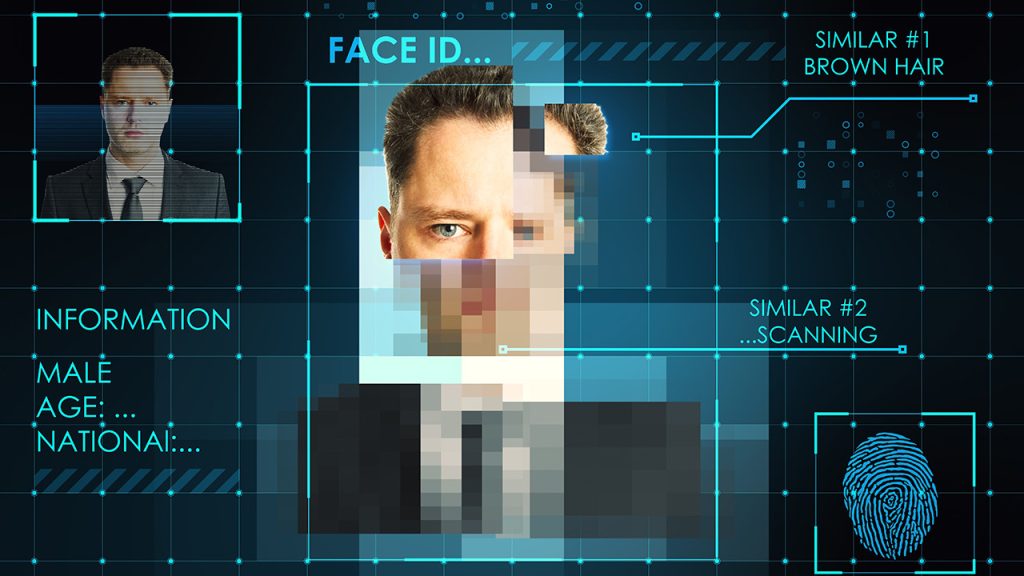
Deepfakes threaten several fundamental rights and social values:
1. Right to Privacy
Using someone’s face or voice without consent violates personal autonomy and dignity.
2. Reputation and Defamation
Fabricated videos can irreversibly damage a person’s social standing and career.
3. Cyber Fraud and Financial Crimes
Deepfake voice calls have already been used to deceive employees into transferring large sums of money.
4. Sexual Exploitation
Women and minors are disproportionately targeted through deepfake pornography, causing severe psychological trauma.
5. Democracy and National Security
Manipulated political content can mislead voters and destabilize public trust.
Does India Have a Specific Law Against Deepfakes?
No. As of now, India does not have a standalone statute specifically criminalizing deepfakes. However, existing cyber, criminal, and data protection laws are being used to prosecute deepfake-related offenses.
The Indian legal system relies on a patchwork of laws to address deepfake misuse.
Legal Provisions in India Applicable to Deepfakes
1. Information Technology Act, 2000
The IT Act is the primary legislation used in deepfake cases.
Section 66E – Violation of Privacy
Punishes capturing, publishing, or transmitting images of a private area without consent. Deepfake videos depicting individuals without consent fall under this section.
Punishment:
Up to 3 years imprisonment and/or fine.
Sections 66C & 66D – Identity Theft and Cheating by Personation
Applicable when deepfakes are used to impersonate someone for fraud, scams, or deception.
Sections 67, 67A, 67B – Obscene and Sexually Explicit Content
These provisions are frequently used against creators and distributors of deepfake pornography, including AI-generated sexual content involving women and children.
2. Indian Penal Code, 1860 (now Bharatiya Nyaya Sanhita)
Defamation (Sections 499 & 500)
Deepfakes that harm reputation by spreading false content attract criminal defamation liability.
Cheating (Section 420)
When deepfakes result in financial loss through deception.
Forgery (Section 469)
Creating manipulated digital content with intent to harm reputation may amount to forgery.
Voyeurism (Section 354C)
Deepfake sexual imagery targeting women can invoke this section.
3. Digital Personal Data Protection Act, 2023


The DPDP Act, 2023 introduces a modern privacy framework in India. Using personal data (face, voice, biometric information) to create deepfakes without consent is a clear violation.
Key implications:
-
Individuals can seek penalties for misuse of personal data
-
Heavy fines can be imposed on platforms and data fiduciaries
-
Strengthens consent-based data processing norms
This law significantly strengthens India’s ability to tackle deepfake misuse from a data privacy perspective.
Role of Intermediaries and Social Media Platforms
Under the Information Technology (Intermediary Guidelines and Digital Media Ethics Code) Rules, 2021, social media platforms are required to:
-
Remove unlawful content upon receiving notice
-
Act promptly on court orders
-
Avoid hosting sexually explicit or harmful content
The Indian government has proposed new amendments requiring platforms to:
-
Label AI-generated content
-
Deploy deepfake detection mechanisms
-
Act swiftly against malicious synthetic media
Failure to comply may result in loss of safe-harbour protection.
Global Legal Approaches to Deepfakes


United States
Several states criminalize deepfake pornography and election-related misinformation. Federal proposals focus on victim compensation and takedown obligations.
European Union
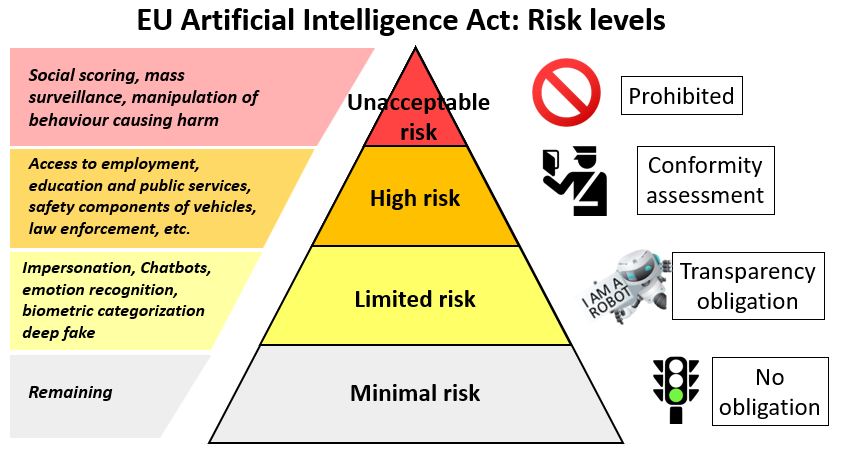
The EU’s AI Act treats malicious deepfakes as high-risk AI practices and mandates transparency and labeling requirements.
United Kingdom
The UK has criminalized the creation of non-consensual sexually explicit deepfake images, even if they are not shared.
South Korea
One of the strictest regimes—criminalizing even possession of sexually explicit deepfake content.
Challenges in Regulating Deepfakes
Despite legal tools, several challenges remain:
-
Difficulty in Detection – Advanced deepfakes are hard to distinguish from real content
-
Cross-Border Jurisdiction – Creators may operate from outside India
-
Rapid Technological Evolution – Law struggles to keep pace with AI
-
Free Speech Concerns – Over-regulation may stifle creativity and satire
The Way Forward for India
India needs a comprehensive and balanced deepfake regulatory framework that includes:
-
A clear legal definition of deepfakes
-
Criminalization of malicious deepfake creation and distribution
-
Fast-track takedown mechanisms
-
Victim compensation and psychological support
-
Mandatory AI watermarking and labeling
-
Public awareness and digital literacy campaigns
Rather than banning AI tools, the law must focus on intent, harm, and accountability.
Conclusion
Deepfakes represent one of the most complex legal challenges of the digital age. While India currently relies on existing cyber and criminal laws, the growing misuse of AI-generated content demands targeted legislation and proactive regulation.
Until a dedicated deepfake law is enacted, victims must rely on the IT Act, IPC provisions, data protection laws, and intermediary rules to seek justice. Strengthening enforcement, updating laws, and fostering ethical AI use will be crucial in protecting individual rights and democratic values.
At lawkibaat.in, understanding emerging legal threats like deepfakes is essential—not just for lawyers and judges, but for every citizen navigating the digital world.