
In today’s hyper-connected world, data is often called the new oil. Every online transaction, social media interaction, and digital service leaves behind personal information. While this data enables innovation and convenience, it also raises serious concerns about privacy rights, data breaches, and cybercrime. Governments across the world have responded by creating legal frameworks that define how personal data should be protected, how breaches must be reported, and how cybercrimes are investigated and punished.
This blog offers a detailed, easy-to-understand explanation of privacy rights, breach reporting obligations, and cybercrime legislation—why they matter, how they work, and what individuals and organizations must do to stay compliant.
Understanding Privacy Rights in the Digital Age
Privacy rights refer to an individual’s ability to control how their personal information is collected, used, stored, and shared. In the digital era, privacy is no longer limited to physical spaces; it extends to emails, browsing history, biometric data, financial records, and even location tracking.
What Counts as Personal Data?
Personal data includes any information that can directly or indirectly identify a person, such as:
-
Name, address, and phone number
-
Aadhaar, PAN, passport, or ID numbers
-
Financial and banking details
-
Health and medical records
-
IP addresses and online identifiers
The misuse of such data can lead to identity theft, financial fraud, reputational damage, and emotional distress.
Core Principles of Privacy Rights
Most modern data protection laws are built on common principles:
-
Consent – Data should be collected only with clear and informed permission.
-
Purpose Limitation – Data must be used only for the purpose it was collected.
-
Data Minimization – Only necessary data should be collected.
-
Accuracy – Organizations must keep data accurate and up to date.
-
Security – Adequate safeguards must protect data from unauthorized access.
-
Accountability – Organizations are responsible for compliance.
For individuals, privacy rights usually include the right to access their data, correct inaccuracies, withdraw consent, and in some cases, request deletion.
The Growing Threat of Data Breaches
A data breach occurs when personal or sensitive information is accessed, disclosed, or stolen without authorization. Breaches may result from hacking, malware, insider threats, phishing attacks, or even human error.

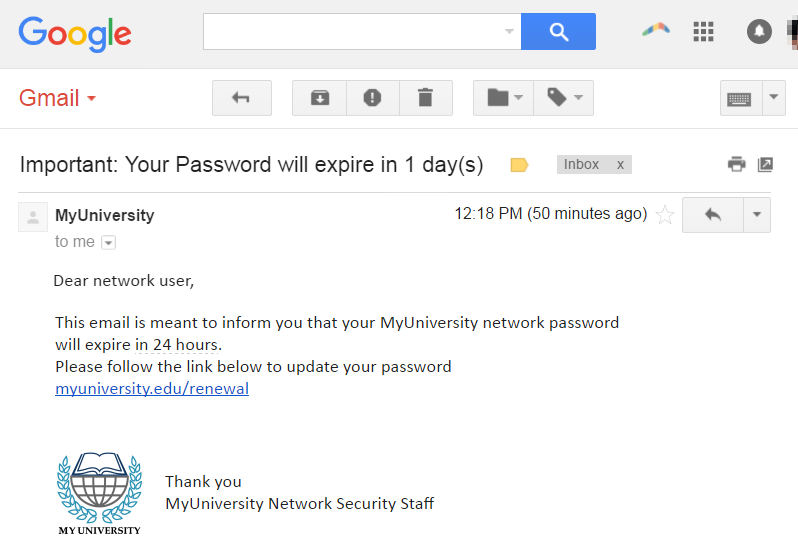

Common Causes of Data Breaches
-
Weak passwords and poor access controls
-
Outdated software and unpatched systems
-
Phishing emails and social engineering
-
Lack of employee cybersecurity training
-
Misconfigured cloud storage
Data breaches can affect millions of users at once, making them a serious legal and reputational risk for businesses.
Breach Reporting Requirements: Why They Matter
Breach reporting requirements legally obligate organizations to notify authorities and affected individuals when a data breach occurs. These rules aim to reduce harm by ensuring transparency and quick response.
When Is a Breach Reportable?
Generally, a breach must be reported if it:
-
Involves personal or sensitive data
-
Poses a risk to individuals’ rights or freedoms
-
Could lead to identity theft, fraud, or financial loss
Minor incidents that pose no real risk may be exempt, but this depends on the applicable law.
Timelines for Reporting
Most data protection laws specify strict timelines:
-
Regulatory authorities must be notified within a defined number of hours or days.
-
Affected individuals must be informed without undue delay if the risk is high.
Delays or failure to report can attract heavy penalties.
What Should a Breach Notification Include?
A proper breach report usually contains:
-
Nature and scope of the breach
-
Type of data affected
-
Number of individuals impacted
-
Likely consequences of the breach
-
Measures taken to control and mitigate damage
Transparency is key. Authorities expect honest disclosure, not damage control through silence.
Organizational Responsibilities After a Breach
Beyond reporting, organizations have additional responsibilities:
-
Containment – Stop ongoing unauthorized access.
-
Investigation – Identify root causes and vulnerabilities.
-
Remediation – Fix security gaps and prevent recurrence.
-
Communication – Provide guidance to affected users, such as password resets or fraud monitoring.
Failure to take corrective steps can worsen legal liability and loss of public trust.
Cybercrime Legislation: Combating Digital Offences
Cybercrime legislation defines offences committed using computers, networks, or digital systems and prescribes punishments for them. As cyber threats evolve, laws have expanded to address both traditional crimes committed online and entirely new forms of digital misconduct.


Common Types of Cybercrimes
-
Hacking and unauthorized system access
-
Identity theft and online impersonation
-
Phishing, online fraud, and scams
-
Ransomware and malware attacks
-
Cyberstalking and online harassment
-
Data theft and intellectual property violations
Cybercrime laws apply not only to individuals but also to organized criminal groups and, in some cases, negligent organizations.
Cybercrime Legislation in Practice
Most countries have enacted laws that:
-
Criminalize unauthorized access to computer systems
-
Penalize data theft, destruction, or alteration
-
Regulate digital evidence and electronic records
-
Empower law enforcement agencies to investigate cyber offences
These laws often work alongside data protection regulations, creating a dual system of preventive compliance and punitive enforcement.
Cross-Border Challenges
Cybercrimes frequently cross national boundaries, making enforcement complex. Jurisdictional conflicts, extradition issues, and differences in legal standards pose major challenges. International cooperation and treaties play a crucial role in tackling global cybercrime networks.
The Relationship Between Privacy Laws and Cybercrime Laws
Privacy laws and cybercrime legislation are closely linked but serve different purposes:
-
Privacy laws focus on protecting personal data and individual rights.
-
Cybercrime laws focus on punishing illegal digital activities.
A data breach may trigger both civil penalties under privacy laws and criminal investigation under cybercrime laws, depending on intent and severity.
Penalties and Legal Consequences
Non-compliance with privacy and breach reporting laws can result in:
-
Heavy monetary fines
-
Suspension of business operations
-
Civil lawsuits from affected individuals
-
Reputational damage and loss of consumer trust
Cybercrime offences may lead to:
-
Imprisonment
-
Criminal fines
-
Confiscation of devices and digital assets
The severity of punishment usually depends on the nature of the offence, the scale of harm, and whether the act was intentional or negligent.
Best Practices for Compliance and Risk Reduction
To reduce legal and security risks, organizations should:
-
Conduct regular data protection impact assessments
-
Implement strong cybersecurity measures
-
Train employees on data handling and phishing awareness
-
Maintain clear breach response and reporting plans
-
Keep detailed documentation of compliance efforts
Individuals can protect themselves by using strong passwords, enabling two-factor authentication, and staying alert to online scams.
The Future of Privacy and Cyber Laws
As artificial intelligence, big data, and the Internet of Things expand, privacy and cyber laws will continue to evolve. Future regulations are likely to focus on:
-
Greater accountability for data controllers
-
Stronger user consent mechanisms
-
Enhanced protection for children and vulnerable groups
-
Faster and more coordinated breach reporting systems
Legal compliance will no longer be optional—it will be a core part of digital trust.
Conclusion
Privacy rights, breach reporting requirements, and cybercrime legislation together form the backbone of digital governance. They protect individuals from misuse of personal data, ensure transparency when breaches occur, and hold cybercriminals accountable. For businesses, compliance is not just about avoiding penalties it is about building trust and credibility in a data-driven world. For individuals, understanding these rights empowers safer and more informed participation in the digital ecosystem.
In an era where data defines power, robust privacy and cyber laws are essential to balance innovation with responsibility.